August 6-9, 2026
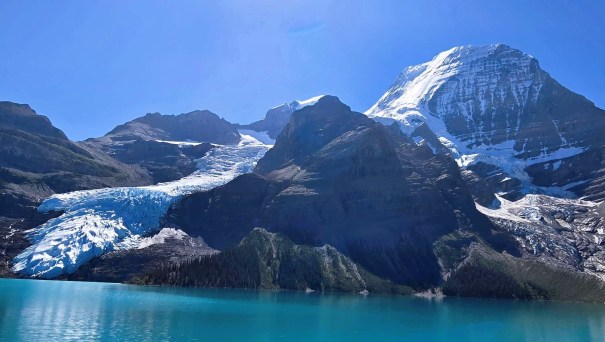
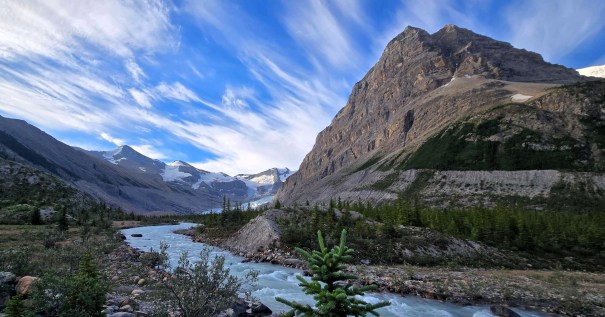
I was very lucky to visit the Alpine Club of Canada‘s brand new addition to their extensive hut network. The Robson Pass Hut is located in the heart of Mount Robson Provincial Park, and allows excellent access to the many mountains in this area. We are so fortunate that the ACC was proactive and visionary, and created this network of huts all throughout our mountain ranges.
This was an ACC Rocky Mountain Section trip, and we had two leaders – Pete Dubeau and myself. We were joined by 10 other amazing climbers for a fantastic inaugural trip.
This post is all about the hut itself. I will have a full trip report for hiking in, plus some climbing, scrambling and hiking objectives around the hut. I hope you enjoy this video that shows the hut, and some of the amazing scenery in Mount Robson Provincial Park.

Alpine Club of Canada huts are such a treat, as there is nothing like it in our Canadian mountains. The Robson Pass hut is state of the art, and very comfortable. Most of the huts in the system are more rustic, with some of them being log cabins built almost 100 years ago. However, all huts feature the same basic amenities – a solid building, a dry bed, and a way to cook your food. If you are used the fancy European huts that include bedding and chefs, think again! This is communal backpacking, but without your personal tent.
ACC Huts Include:
- Full kitchen, with utensils, bowls, plates, and cups. Plus pots, pans, and kettles to prepare your meals.
- Propane cooking stoves. Some huts have a full range with an oven. Other huts have stove tops only.
- Sinks and buckets for washing dishes and cleaning the hut. Soap, bleach, scrubbies, and dish gloves are provided.
- Eating area, with tables and seats.
- Sleeping area. These are communal rooms, usually bunks with a thick covered foam pad. Smaller huts are eating/sleeping in one room.
- Double outhouses, usually in a separate outhouse building. You must swap out the waste barrels when full.
- Heating system. Most huts have a wood stove or a propane heater. Some huts have nothing and rely on passive solar heating or body heat to warm the hut.
- Lighting for evenings or winter use. Some huts use propane, and may require lighting a mantle.
ACC Huts do NOT Include:
- No food. You must pack in and pack OUT all your own food. Do not leave anything behind. No one will eat it.
- No garbage. You must pack out all your garbage. Do not burn anything in the wood stoves. Outhouse barrels are NOT garbages.
- No blankets, pillows or other warm items.
- No electricity. SOME huts have limited solar electricity for lights, and may have jacks for a USB A or C device. Do NOT rely on this and bring your own battery pack.
- No running water. All water is self-gathered and filtered. Summer users get water from nearby streams, while winter users melt snow. Big yellow buckets are provided. Do not use these for anything but water, and do not stack. Bring your own water filtration system.
- No cool/cold food storage. All food is kept in the kitchen at room temperature. Any outdoor food attracts animals.
What to pack for an ACC Hut trip:
- All your usual food and drinks – breakfasts, lunches, dinners and snacks.
- Water filtration system (personal or large bag style).
- Sleeping bag (can go very light weight for summer or heated huts).
- Optional – silk sleeping bag liner, and pillow.
- Personal toilet paper and hand sanitizer, plus all personal toiletries.
- Ear plugs for communal sleeping area. Optional eye patch to sleep while others are up.
- Battery pack(s) for your phone or watch.
- Your ACC Reservation confirmation, plus the Hut Code.
- Matches or lighter to light stoves, or lighting mantles .
ACC Hut Rules and Etiquette:
The ACC has an entire page dedicated to using and maintaining the hut during your stay. Please read, understand and abide by these rules. Here are some quick points to follow, given with love from someone who has used huts for over 20 years:
- Don’t be a dick. This is a shared space. Be kind and courteous at all times.
- Clean up properly! Do YOUR part to keep the place clean, and sanitized. Rinsing a cup after use and putting on the drying rack is NOT washing it! All dishes must be washed with hot soapy water, and then santized in bleach.
- Keep yourself clean. Wash your hands with soap or hand sanitizer after using the outhouse and before you use anything in the kitchen.
- If you are sick, go home! There was a nasty outbreak of Norovirus in the glacier huts this winter. Someone had to come in with it, and someone had to spread it by not washing their hands/cleaning dishes properly.
- Huts are not party/frat houses. People are up here to climb. If people are going to bed, be quiet. Some people require alpine starts. If you keep them up all night, they are more likely to bang around at 2:00 am and keep you up.

How to Book an Alpine Club of Canada Hut:
Anyone can book an ACC hut. Members sometimes get a special rate, or can book earlier than the general public. To get an Alpine Club of Canada membership, or to book a hut, click here.
Some huts can be booked a year in advance. Some very popular huts are on a lottery system (Elizabeth Parker in the summer, Kokanee Glacier and Fairy Meadows in the winter). Some huts located in British Columbia Provincial parks can only be booked three months in advance, which includes the new Robson Pass Hut.
Be sure to get the hut code before you leave. All huts are locked and require a code to enter.
Who can enter an ACC Hut?
Huts are for the exclusive use of those who have booked and paid for the hut during a specific period of time.
Huts are NOT open to the general public, and this includes other ACC Members. If you are not registered for that time period, please do not enter. Recently, an ACC member entered the Robson Pass Hut and used the exuse that she was a member. Hard no. You would not enter someone’s tent “just to have a look around” so please respect hut user’s privacy.
Huts are NOT emergency shelters. If you are not prepared for the weather (snow, rain, etc.), then you must hike out. If you have poor logistical skills and find yourself hiking in the dark, the hut users are under no obligation to save you. You must set up your tent at the campground you booked, or hike out.

How many ACC Huts are there?
There are 28 National Huts, and six BC Provincial Huts. I have visited all six BC Huts, and 15 of the National huts. Many of the National huts are managed by their local sections, and not booked through National.
I hope I have answered many of your questions about this amazing network of Alpine Club of Canada huts. There are other huts systems in Canada, like the Bonnington Traverse Huts, which are managed and maintained by separate clubs. We are fortunate to have these huts, which make recreating in the Canadian backcountry that much easier or more accessible.
Thanks for reading! You can follow my blog, join my FaceBook page Al’s Adventurers, or follow me on Instagram
Alisen

I love all things mountains! I live next door to the Canadian Rocky Mountains, however I travel the world to enjoy the many different mountain environments and cultures that I can. I hope you enjoy these trip reports, and that it inspires you to accomplish your own adventure goals.


Exciting! I’ll have to look at it for next summer. Maggie
It’s pretty amazing that the ACC has an extensive network of backcountry huts in the mountains. I couldn’t help but laugh at some of the rules and etiquette that you outlined. But I guess some people do need reminding considering it’s a shared space! Hope you’re able to visit all the national huts someday!